Why Everyone Keeps Choosing Saber Interactive (And What That Signals)
Why Everyone Keeps Choosing Saber Interactive (And What That Signals)
Updated: March 1, 2026
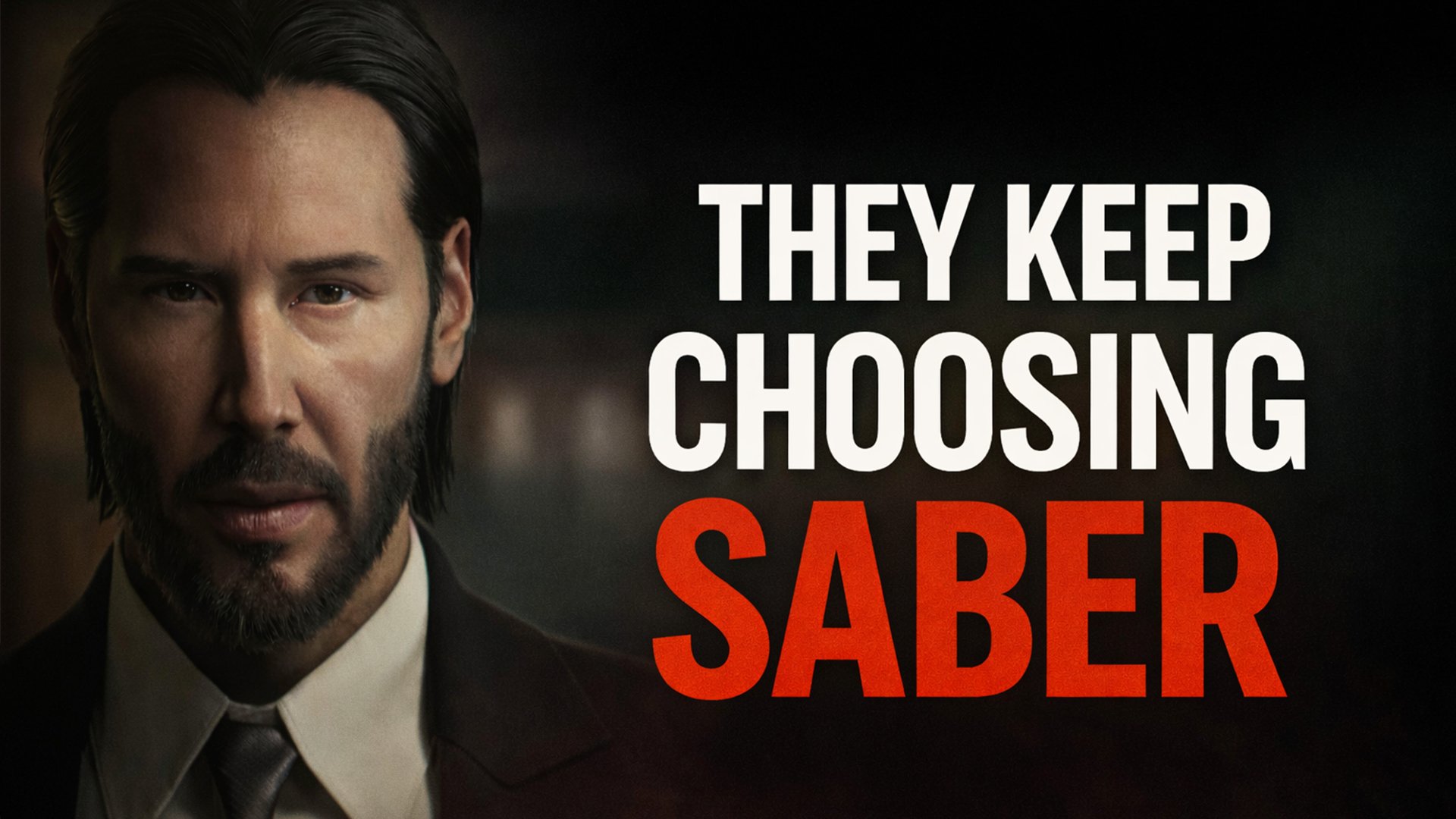
Something unusual is happening in licensed games right now. Multiple IP holders with high-risk, high-visibility franchises keep choosing the same developer. That is not a vibe check. That is operational trust.
This post breaks down what Saber’s current run actually means, why “trusted” matters more than “loved” in modern AAA, and what to watch next as Saber juggles more licensed projects at once.
Watch: Why Saber Keeps Getting Major IP
Tip: This embed uses YouTube privacy-enhanced mode (youtube-nocookie).
What is happening
Saber Interactive just revealed a new AAA John Wick game during the February 12, 2026 State of Play. The key detail is not “John Wick is getting a game.” The key detail is who is trusted to build it, and how directly the franchise stakeholders are involved.
Official messaging around the reveal emphasizes close collaboration with the franchise’s creators, with Saber describing it as a true collaboration to bring the world of John Wick to life in a AAA game. State of Play coverage also frames it as a previously unseen chapter where you play as John Wick himself, with a focus on cinematic style and “gun-fu” action.
This fits a broader pattern: Saber is stacked with recognizable IP across action, horror, co-op shooters, and legacy revivals. That list matters because licensed games are not just creative work. They are brand risk management.
Why “trusted” beats “hyped” in 2026
When people say a studio is “trusted with major IP,” they usually mean creative trust. That is only part of it. The real trust is operational.
The four risks IP holders are really paying to avoid
- Schedule risk: Missing deadlines has real downstream costs for marketing, partners, and release windows.
- Budget risk: Scope creep and rework are expensive in AAA pipelines.
- Technical risk: Performance and stability issues are brand damage, not just bugs.
- Brand risk: A weak adaptation can dent the franchise itself.
In modern AAA, predictability compounds. The studios that keep getting picked are the ones that hit milestones, manage scope, and ship reliably. That reliability is a product. A studio can be less “loud” and still be more valuable.
Saber’s structural advantage
Saber operates as a network across multiple regions, which is a practical advantage for licensed pipelines. It helps them run multiple projects while maintaining production throughput, support functions, and delivery cadence. IP holders are not looking for experimentation. They are looking for execution.
This is why the same developer can keep getting called for projects that are high visibility and high expectation. Not because they are perfect. Because they are dependable.
The risk: scale strain
The strength is also the vulnerability. The more major licensed projects a studio runs simultaneously, the harder consistency becomes. Coordination gets harder. Quality control gets harder. Even good infrastructure can strain.
That is why the John Wick game matters beyond itself. It is not just another license. It is a public test of whether Saber can translate a very specific action identity into interactive combat and still deliver cleanly.
What to watch next
1) Clarity on scope and structure
Watch how Saber describes the John Wick game over the next reveals: camera language, combat loop, driving, and how “cinematic” translates into systems the player controls. “Cinematic” is easy to say. Systems are where adaptations succeed or fail.
2) Timeline discipline
Licensed projects often collapse when timelines are forced. The most important green flag is not a flashy trailer. It is steady, believable milestones.
3) Portfolio management
Saber’s public slate includes multiple recognizable projects, including horror and action licenses. The key question is not “how many things are they making.” The key question is “how well are they protecting quality across all of it.”
If you want the John Wick-specific timing story, this post connects directly to our earlier coverage here: John Wick Game + Saber Interactive: Why Now
Related OnThaSticks coverage
FAQ
Is the new John Wick game officially confirmed as AAA?
Yes. Official announcements describe it as a AAA game and emphasize direct collaboration with the franchise stakeholders.
Is Keanu Reeves involved?
Recent reporting and official messaging indicate Reeves is involved, with coverage stating he is returning for the role. Until Saber publishes final cast and performance details, treat specifics as subject to change.
Is this the same thing as John Wick Hex?
No. John Wick Hex was a tactical strategy title. The newly announced project is positioned as a major AAA action game built in close collaboration with the franchise.
Why are licensed games having a moment again?
Familiar IP reduces marketing uncertainty and gives publishers a built-in audience. But it also increases brand risk, which is why execution and reliability matter so much.
What is the biggest risk for Saber right now?
Scale strain. Running multiple major licensed pipelines at the same time makes quality consistency harder. The studio’s advantage is infrastructure. The test is sustaining it under pressure.
How should I judge the John Wick game as more info releases?
Look for system clarity: combat loop, encounter design, mobility, shooting feel, and how “gun-fu” is implemented. Then look for timeline realism: steady milestones without sudden, vague resets.